


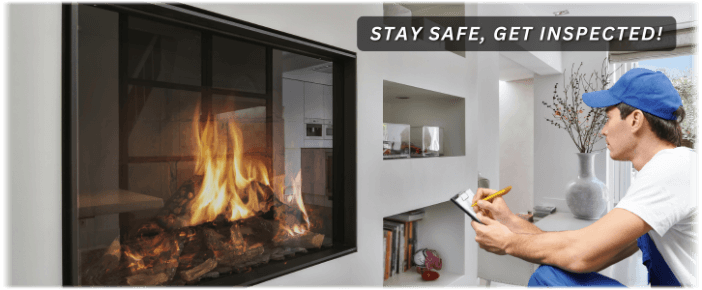
Before cold weather arrives, many homeowners choose a chimney inspection in Pittsburgh, PA to confirm their system operates safely and efficiently. Aging masonry, frequent fireplace use, and Western Pennsylvania weather slowly affect chimney performance. A detailed evaluation helps uncover hidden concerns early and provides clear guidance before small issues turn serious.
Why Chimney Inspection Is Essential in Pittsburgh
Pittsburgh’s climate exposes chimneys to constant stress. Rain, snow, and freeze-thaw cycles weaken mortar and liners over time. Because damage often develops quietly, inspections play a preventive role.
Homes in areas like Dormont, Greenfield, and Mount Lebanon commonly feature older chimney systems. Therefore, routine checks help homeowners understand current conditions and avoid unexpected safety risks.
Chimney Inspection in Pittsburgh, PA With a Safety-First Focus
A chimney inspection in Pittsburgh, PA reviews visible and accessible sections of the system. Technicians examine brickwork, venting paths, and structural stability. This process confirms whether the chimney vents smoke properly and contains heat as designed.
Homeowners often search for chimney inspection in Pittsburgh after noticing draft changes, odors, or interior staining. These warning signs frequently point to underlying issues that require professional evaluation.
What Happens During a Professional Inspection
Each inspection follows a clear, step-by-step process. Technicians review exterior masonry, interior components, and accessible vent areas. They document findings and explain results in plain language.
If buildup appears, chimney cleaning may take place once to remove creosote that restricts airflow. When residue accumulates inside the firebox, fireplace cleaning helps restore proper operation. If damage surfaces, chimney repair recommendations focus only on necessary corrections.
How Inspections Protect Fireplace Performance
Your fireplace relies on a healthy chimney system to operate safely. Blockages, cracks, or moisture intrusion can cause smoke backup and inefficient burning. Inspections help prevent these issues before they interrupt use.
In some homes, inspection results lead to planning for fireplace repair to stabilize worn components. In others, findings reveal airflow concerns connected to dryer vent cleaning needs elsewhere in the home. Addressing these items together improves overall safety.
Local Knowledge Improves Inspection Accuracy
Pittsburgh homes vary widely by age, elevation, and construction style. Properties in zip codes like 15210, 15217, and 15236 often face unique moisture and draft challenges. Because of that, local experience helps inspectors anticipate common problem areas.
Hillside homes experience different airflow patterns than river-adjacent properties. Tailoring inspections to these conditions produces more reliable results.
When to Schedule a Chimney Inspection
Most homeowners schedule inspections annually or before heavy fireplace use begins. Inspections also make sense after major storms or before purchasing a home. Early evaluation helps avoid costly surprises.
Frequently Asked Questions
How often should a chimney inspection be scheduled?
Most homeowners benefit from annual inspections, especially before winter use begins.
What issues can a chimney inspection uncover?
Inspections reveal cracks, blockages, moisture damage, and airflow problems that affect safety.
Is chimney inspection in Pittsburgh, PA necessary even without visible problems?
Yes. Weather exposure causes hidden wear, which makes a chimney inspection in Pittsburgh, PA an important preventive step.
Gain clarity and protect your home by scheduling a chimney inspection in Pittsburgh, PA today—call (412) 912-1773 now and secure a professional evaluation before peak season demand.